Tags

Subscribe to continue reading
Subscribe to get access to the rest of this post and other subscriber-only content.

12 Friday Jun 2026
Posted in Uncategorized
≈ Comments Off on The Silent Revolution: When Technology Finally Learns to Whisper
Tags
Subscribe to get access to the rest of this post and other subscriber-only content.
20 Friday Feb 2026
Posted in Uncategorized
Tags
AI, design, integration, intelligence, seamless, sensory tech, shy tech, technology
I have to be careful when getting a ride from my teammate Michael that I do not wave my left hand in the front seat. I have turned on his radio accidently at least four times in the last few car journeys. This is due to his BMW having motion sensors for ease of engagement for the radio vs nobs and dials.
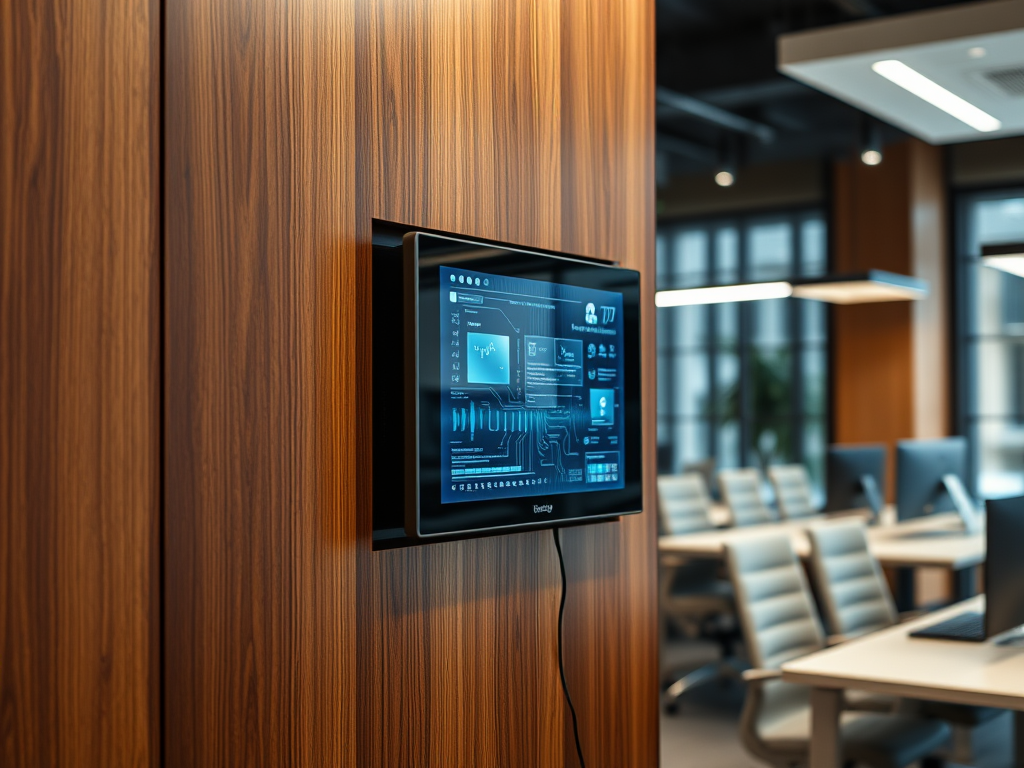
Technology can hide behind common interior materials by embedding intelligence directly into architectural elements and furniture, allowing the hardware to disappear while maintaining full functionality. This design approach, often called “shy tech,” focuses on making technology a natural extension of the environment rather than a dominant addition to it. The automotive sector has led the way, but this is going into hospitatlity and commercial office spaces now more readily.
Here are the specific ways technology is integrated into common materials in an office space:
Natural and Soft Materials
• Wood as an Interface: In modern design, particularly in automotive cockpits, wood is engineered to function as a touchscreen. This allows for a smooth, minimalist surface that only reveals its interactive nature when needed.
• Leather and Fabric: Functional buttons and controls can be placed invisibly behind leather or fabric. These interactive panels remain hidden until a user engages with them, keeping spaces—such as car interiors—sleek and clean.
• Cork and Felt: In office environments, materials like cork tiling and felt acoustic paneling are used to wrap meeting booths. These materials create a “reduced-noise sanctuary” that houses necessary technology discreetly while prioritizing acoustic comfort and privacy.
Structural and Ambient Elements
• Walls and Surfaces: Intelligence is increasingly embedded into structural elements; for instance, walls can double as display surfaces. Additionally, projections are used to turn virtually any physical surface into an interactive control panel.
• Furniture Integration: Technology is hidden within high-quality, timeless furniture, such as conference tables with hidden connectivity or stepped bench seating that conceals power and data pathways.
• Smart Lighting: Lighting systems are designed to provide both aesthetic ambiance and data feedback, effectively hiding functional information within the atmosphere of the room.
Functional Methods of Integration
• Seamless Automation: Instead of physical interfaces, the sources describe “smart building” technology that uses sensors to detect a user’s presence. For example, walking into a room can automatically connect a device to a screen and adjust lighting and temperature to pre-saved preferences without the user ever touching a button.
• Proactive Intelligence: Systems like voice and gesture controls move complex operations into the background. By learning user behavior and responding to natural prompts, technology remains “barely perceptible” and operates discreetly behind the scenes.
Ultimately, the goal of hiding technology behind these materials is to create a “phygital” (physical and digital) experience where the tools feel like “magic, not machinery,” responding intuitively to human needs without the visual clutter of traditional gadgets.
04 Monday Aug 2025
Posted in Uncategorized

Artificial Intelligence (AI) and the Internet of Things (IoT) are significantly expanding the applications of digital scent technology, leading to more immersive, personalized, and functional sensory experiences across various sectors within the B2B market. These technologies can aid in enabling food and beverage, cosmetics, and automotive businesses to make better decisions regarding research and development, quality control, manufacturing, and end-user experiences.
Artificial Intelligence (AI) in Digital Scent Applications:
Internet of Things (IoT) in Digital Scent Applications:
Leading brands in integrating scent technology with IoT include Inhalio, known for its Digital Scent AI Platform; ScentBridge, specializing in intelligent fragrance solutions with patented IoT technology; and Aryballe, with digital olfaction solutions that include smart sensors for scent detection and analysis. These advancements, combined with the trend toward miniaturization and portability, are making digital scent technology more versatile and accessible for today’s market.

